


We provide On-Page SEO services designed to optimize your website for search engines and users alike. Our approach includes keyword research, content alignment, meta optimization, and technical improvements to maximize performance. Get started with us to improve search rankings, enhance user engagement, and drive targeted organic traffic through structured, intent-focused On-Page SEO strategies that strengthen your website’s relevance and authority online.


Mottek Group is an On-Page SEO agency built around expertise in website optimization and search performance. Our identity reflects a deep understanding of page structure, content relevance, and user engagement. Mottek Group positions itself as a structured, professional, and reliable agency within the On-Page SEO space. The brand emphasizes credibility, strategic insight, and long-term relevance, representing a specialized presence focused on helping businesses strengthen their website’s performance and maintain authority in competitive digital environments.

Industry Leaders


Projects Completed
Explore the full range of on page optimization service that we provide & grow our partner website.

Conduct thorough keyword research to identify relevant keywords and phrases that your target audience is searching for. Focus on long-tail keywords that reflect specific queries and user intent. Strategically place these keywords throughout your content, including in the title, headers, and body text, while ensuring a natural flow to avoid keyword stuffing.

Craft compelling title tags that accurately describe the content of each page while incorporating target keywords. Title tags should be concise and engaging to encourage clicks from search engine results. Similarly, write informative meta descriptions that summarize the page’s content and include relevant keywords, aiming to entice users to click through to your site

Organize your content using header tags (H1, H2, H3) to improve readability and structure. The H1 tag should contain the main topic or keyword of the page, while H2 and H3 tags can be used for subtopics. This not only helps users skim the content but also signals to search engines the hierarchy and relevance of information on the page.

Develop unique, informative, and engaging content that meets the needs of your audience. Ensure that your content addresses user intent and provides valuable insights or solutions. High-quality content is more likely to attract backlinks, improve user engagement, and rank higher in search results.

Ensure that your URLs are descriptive, concise, and include relevant keywords. A well-structured URL helps both users and search engines understand the content of the page. Avoid using complex parameters or unnecessary characters in URLs to enhance clarity.

Implement a strategic internal linking structure to connect related pages within your site. Use descriptive anchor text for internal links to help search engines understand the context of linked pages. This practice improves navigation for users and enhances the overall SEO value by distributing link equity across your site.

Optimize images by using descriptive file names and including alt text that incorporates relevant keywords. This not only improves accessibility but also helps search engines index your images properly, potentially driving additional traffic through image searches.

Ensure that your website is mobile-friendly and loads quickly on all devices. Use responsive design techniques and optimize images for faster loading times. Page speed is a crucial ranking factor, as slow-loading pages can lead to higher bounce rates.

Include outbound links to reputable sources related to your content. Linking to high-quality external sites can enhance credibility and provide additional context for readers. It also signals to search engines that your content is well-researched and relevant within its niche.

Regularly track the performance of your on-page SEO efforts using analytics tools like Google Analytics or SEMrush. Monitor key metrics such as organic traffic, bounce rates, and user engagement to assess the effectiveness of your strategies and make necessary adjustments over time.

From startups to enterprises, we know how to deliver real, measurable SEO success.


Explore the main procedure of getting results with our on page search engine optimization services.

Develop a comprehensive on page SEO strategy that outlines your goals, target audience, and keyword focus areas for your e-commerce site.

Analyze your current website performance and competitor strategies to identify strengths, weaknesses, and opportunities for improvement.

Execute the optimized strategies by enhancing landing pages, improving site structure, and creating valuable content to attract organic traffic.

Monitor key performance indicators (KPIs) such as traffic, conversion rates, and rankings to assess the effectiveness of your on page SEO efforts and make data-driven adjustments.

Explore the lists of area that we are experience in and able to grow your business by using prevous experience.

USA Region
UK Region
UAE Region
CA Region
AUS Region
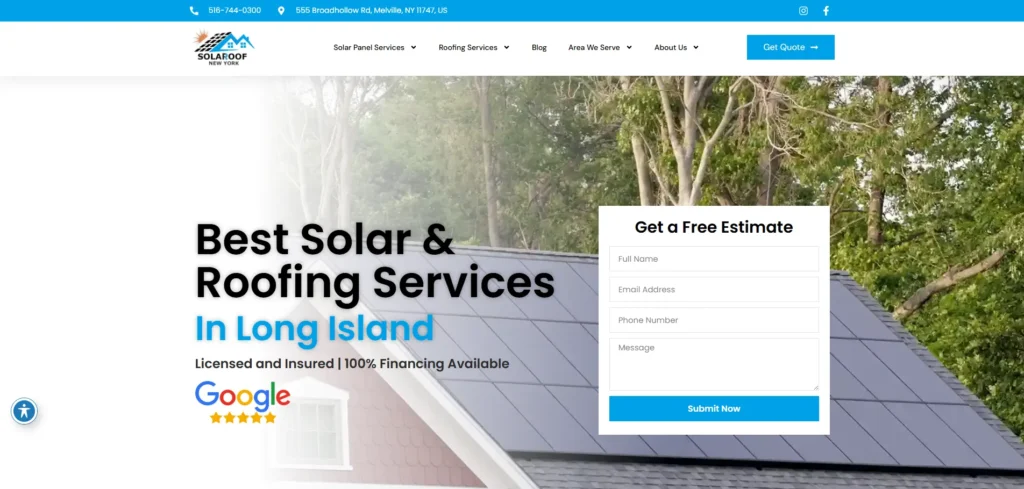
Stories of growth with our previous happy partner and method of how we got those results.
I have contracted with many different companies within the first 2 years of being in business, all of which failed. I decided to give Mottek a shot, and I could not be more pleased with the service, product, marketing support and mentorship that have been afforded to me. I wish I went with Mottek from the beginning. Sara from Mottek is an absolute rock star. Her attention to detail is evident in everything she does, from the website, to the SEO to the follow ups for reviews. This is a full concierge service company that really presents results. Within the last month alone, I have seen double the leads and more website views within 1 month than I have in almost 3 years put together. Simply put, if you want to see an increase in web traffic, leads and productivity, Mottek is the company to choose.

Working with Mottek Group has been a game-changer for our business. Their SEO team not only improved our website’s ranking but also increased organic traffic significantly. We’ve seen a noticeable rise in leads and conversions. They are professional, knowledgeable, and always up to date with the latest SEO trends. We couldn’t be happier with the results!

If you want a team that delivers top-notch results and values their clients, Mottek Group is the way to go. Excellent customer service and craftsmanship.

Working with MOTTEK GROUP was a fantastic experience. Their attention to detail and commitment to quality truly stand out. I’d gladly work with them again on future projects.

Working with Mottek Group has felt like a true partnership. They listen to our needs and goals, and collaborate with us to create strategies that drive results.

Professional, timely, and high-quality work—Mottek Group checked all the boxes. They respected our budget and kept us updated at every stage.

A great experience working with Mottek Group. The website they developed for us is user-friendly and looks amazing.

I was impressed by MOTTEK GROUP’s efficiency and organization. They kept everything on schedule and delivered exactly what they promised. Great value and outstanding service.

Semantic keywords are terms and phrases that are conceptually related to a primary keyword, enhancing the context and relevance of your content. Unlike traditional keywords that focus solely on exact matches, semantic keywords help search engines understand the broader meaning and intent behind user queries. This understanding is crucial for improving search engine rankings and delivering a more satisfying user experience.
In summary, leveraging semantic keywords is essential for optimizing content in today’s SEO landscape, as it enhances relevance, aligns with user intent, and improves overall visibility in search results.
Content length and information gain score are two critical factors in on-page SEO that influence how well a webpage performs in search engine rankings.
Content length refers to the number of words in a piece of content. Research indicates that longer content often ranks better in search results because it typically provides more comprehensive coverage of a topic, which aligns with Google’s goal of delivering valuable information to users. Longer articles can naturally incorporate more keywords and relevant phrases, enhancing their visibility for various search queries. However, it’s important to note that simply increasing word count without adding value can lead to poor user engagement and high bounce rates, which negatively impacts SEO.
Information gain score measures the relevance and usefulness of the content relative to the user’s query. It assesses how well the content answers specific questions or addresses user intent. High information gain indicates that the content is not only relevant but also provides substantial value, thereby improving user satisfaction. This metric is crucial because search engines prioritize content that effectively meets user needs.
For optimal on-page SEO, it is essential to strike a balance between content length and information gain score. While longer content can provide depth, it must also be engaging and informative. Content should be structured to deliver clear, concise answers while maintaining an appropriate length to satisfy both user intent and search engine algorithms. Ultimately, high-quality content that effectively combines these elements will perform best in search rankings.
Understanding search intent is crucial for aligning your content with user needs, ultimately enhancing your website’s effectiveness in meeting audience expectations. Search intent, also known as user intent, refers to the underlying goal behind a search query—what users hope to achieve when they enter specific keywords into a search engine.
Creating content that aligns with search intent is essential for SEO success. Search engines like Google prioritize delivering relevant results that satisfy user queries. By understanding the different types of search intent, businesses can tailor their content strategies accordingly—providing valuable information, product comparisons, or direct purchasing options based on what users are seeking.In summary, aligning your content with search intent not only improves user satisfaction but also enhances visibility in search results, driving more qualified traffic to your site and increasing conversion rates.