More people want to get fit, but busy schedules make regular gym visits tough. That’s why online fitness is booming, now worth over $28.2B and expected to reach $38.43B by 2025. This massive growth shows how quickly people are shifting to at-home and on-the-go workouts.
For fitness professionals, this is a huge opportunity. You already have the skills people will pay for, turning them into simple online workout plans means you can help clients worldwide without fixed hours or a physical location. It lowers costs, gives you freedom, and helps build long-term income while supporting those who can’t always make it to the gym.
If you’re ready to turn your passion into a digital product that reaches more people daily, this guide will show you how.
Market Research
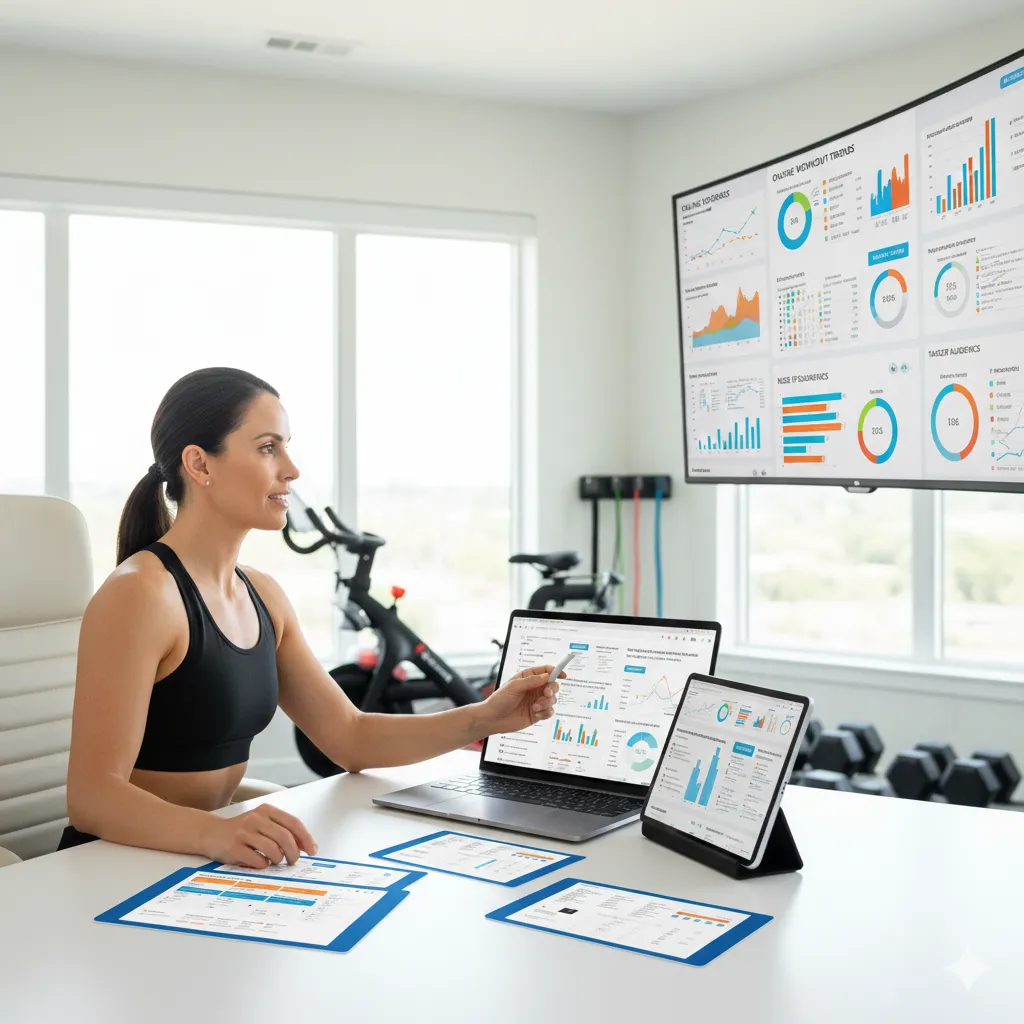
Your journey starts with choosing a clear audience. When you speak directly to one group, your workout plan feels designed for them, which makes it easier for them to see the value in what you offer.
Understand Who You Want to Help
Instead of focusing on broad goals like general weight loss, choose groups that match your skills and natural strengths. Here are some ideas for strong niches
- Busy professionals who prefer quick 30-minute HIIT sessions
- Seniors (55+) who need safe mobility, balance, and low-impact strength routines
- New moms looking for gentle postnatal recovery plans
Study What Types of Workout Plans People Already Buy
It is important to look closely at existing programs and understand what people enjoy or struggle with. Check formats, guidance, and reviews. Try to find gaps where customers feel something is missing so you can create a plan that solves a real problem.
Look at Pricing, Formats, and Popular Niches
With a tiered pricing structure, you can help different types of customers.
For example:
- A basic 4-week digital plan often ranges from 30 to 60 dollars
- A full 12-week program with extra resources can go from 90 to 150 dollars or more
Prices that end in .99 or .97 can also help improve conversions.
Product Development
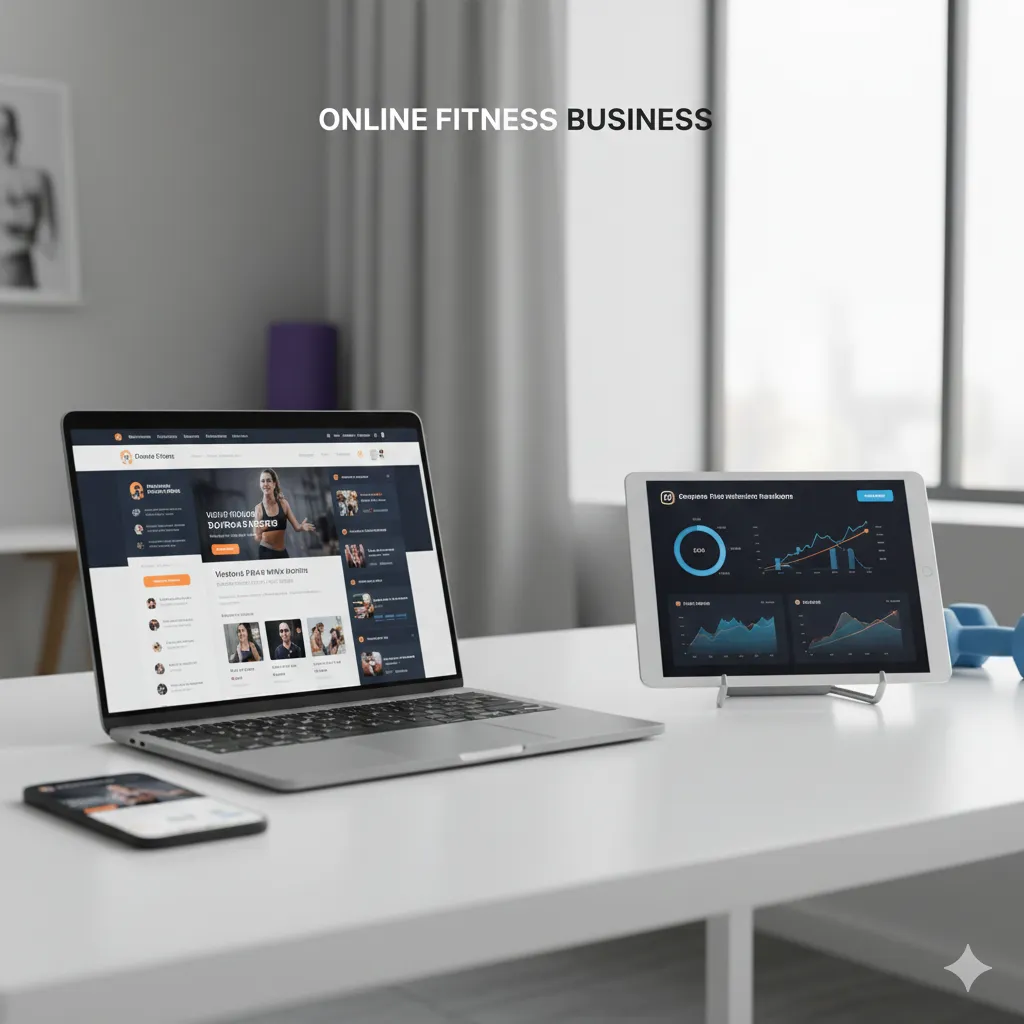
The success of your online workout plan business depends on the quality you offer. Your plans should be safe, clear, and focused on helping clients get real results.
Create Workout Plans that Match Your Niche
A complete and effective plan should include six key elements:
- Tissue quality
- Joint mobility
- Activation exercises
- Strength training
- Cardio
- Proper cool down
It should also follow general fitness guidelines: at least two days of strength training and 150 minutes of moderate aerobic activity per week.
Decide on Formats: PDFs, Videos, or App-Based Programs
It is also important to decide the format of your program. Here are a few options you can choose from:
- App-Based Programs like ABC Trainerize or TrueCoach are excellent for client experience. They allow automated tracking, progress monitoring, and personalized adjustments.
- Video Tutorials are necessary for safety. They help clients master proper form and reduce the risk of injury.
- PDF Documents are easy to share but are static and don’t allow interactive progress tracking.
Build Clear Instructions, Progress Tracking, and Workout Schedules
Increase the challenges gradually as progressive overload helps clients adapt in a better way, and they get positive results.
Your instructions should show clients exactly how to log weights, reps, or time so they can consistently push a little further. Apps with tracking tools are better than paper for keeping progress organized.
Create Unique Programs to Sell
To move from basic offerings to premium products, you need unique value:
- Design Signature Plans That Reflect Your Approach
These are your highest-value offerings. They show your coaching philosophy and expertise. They make your plan stand out from generic routines.
- Add Supporting Materials
You can also add supporting materials like nutrition guides or warmup routines. Nutrition plays a huge role in maximizing results. Include practical advice, such as:
- Carbs should make up 45%–65% of daily calories
- Simple cooking methods, like grilling or one-pot meals, make following the plan easier
Critical Legal Note
Transparency is key to success and also helps avoid any legal issues. Each of your plans must include a clear legal disclaimer:
“You are not a licensed doctor or registered nutritionist. All information is for educational purposes only and does not replace medical advice. Clients should consult a physician before starting any fitness or nutrition program”.
Production, Logistics, and Branding
It is important to make smart choices about delivery and branding if you are serious about creating a polished and professional workout plan for those who need it.
Here are some options you can select from:
Outsource or Buy Digital Assets if Needed
To achieve a professional look, you don’t have to do everything yourself.
- Hire Trainers, Designers, or Editors for Videos or Layouts
High-quality video content builds credibility for your brand. Basic editing (cuts and retakes) can cost $1.25–$10 per minute, while professional editing (color correction, transitions) can range from $10–$50 per minute of finished footage. Outsourcing editing saves your time so you can focus on creating content and engaging clients.
- Purchase Templates or Exercise Illustrations if Required
You don’t need to be a designer. Use professional, customizable templates for workout plans from platforms like Adobe Express or Notion. Licensed stock videos from sites like iStock can supplement your own recordings for a more polished result.
Digital Delivery vs Physical Material
Decide whether you want to sell fully digital plans or printed guides shipped to clients.
- Focus on Fully Digital Products
The online model keeps costs low and eliminates logistical challenges. Physical products bring shipping, returns, and inventory headaches that reduce flexibility. Digital plans allow you to reach clients globally with minimal effort.
- Compare Cost, Effort, and Convenience
Digital delivery allows you to focus on growing your business instead of managing packages, storage, or returns.
Brand Development
With a strong brand, you can connect with your audience and build trust.
- Build a Brand That Reflects Your Coaching Style
Define your mission, vision, and core values. Craft a story that speaks directly to your audience’s challenges and goals.
- Work on Name, Visuals, Tone, and Messaging
Invest in a recognizable logo, consistent color palette, and an authentic tone. Consistency in your messaging is important to show professionalism and build credibility.
Inventory Management
Even digital products need organization, especially when updates happen.
- If Your Plans Are Digital, Manage Versions and Updates
Make sure clients always have access to the latest version. Personal training software like TrueCoach or Exercise.com automates delivery and version control seamlessly.
- If You Offer Physical Add-Ons, Manage Small Stock Levels
If you provide physical merchandise as a premium add-on, use centralized inventory systems to track stock and integrate it with your digital sales platform.
Sales Infrastructure
By setting up the right sales system, it becomes easy for your clients to find, buy, and use your workout plans.
Build an E-Commerce Store
Your own website is a secure place for transactions and client data.
- Create a Website Where People Can Buy and Download Your Plan
Utilize platforms that are designed for digital fitness products, like Exercise.com, Kajabi, or Trainerize, to host your store and manage subscriptions.
- Add Secure Payments and Easy Navigation
Make sure your payment process is safe and quick. A smooth experience where clients get instant access to their purchase keeps them happy and more likely to return.
Utilize Social Media Platforms
Social media is a great way to show your expertise and drive traffic to your store. Here are some ways you can take advantage of these platforms.
- Share Workout Tips, Client Results, and Short Training Clips
Short, high-quality videos, motivational posts, and client transformations grab attention and build trust. - Direct Audiences to Your Store
Use your posts, bio links, and stories to guide interested people straight to your sales pages.
Utilize Online Marketplaces
Listing your plans on digital fitness marketplaces can help you reach more people.
- List Your Plans on Platforms that Allow Digital Fitness Products
While your website is your main hub, marketplaces like Trainerize or Payhip bring extra visibility by tapping into their existing audience.
Marketing and Optimization
To drive sales, you need to build trust and show your expertise. Using the right strategies help you reach more clients and convert interest into purchases.
Marketing Strategies
Here are some marketing strategies that can help you succeed.
- Use Content Marketing to Build Trust: Share videos, blog posts, or guides that educate your audience. Offer free resources, like an eBook or workout guide, in exchange for their email. This brings potential clients into your sales funnel so you can nurture them over time.
- Collaborate with Fitness Influencers or Trainers: Work with influencers whose audience fits your niche. This helps you quickly borrow credibility and put your brand in front of a ready-to-engage audience.
Search Engine Optimization (SEO)
No matter how great your workout plan is, it won’t help anyone if your target audience can’t find it. Here’s what you can do to be more visible online.
- Target Keywords Related to Workout Plans and Fitness Goals: Use long-tail keywords that reflect specific problems or intentions, like “yoga for flexibility,” “CrossFit for beginners,” or “weight loss programs.”
- Optimize Your Pages and Blog Posts: Make sure every piece of content directly addresses the keywords you’re targeting. This attracts visitors who are more likely to convert into paying clients.
Social Media Optimization (SMO)
It is necessary for engaging your potential customers and existing clients. It helps build trust and authenticity.
- Use Clear Visuals, Captions, and Hashtags: High-quality videos with strong calls-to-action capture attention and encourage engagement.
- Post Consistently to Stay Visible: Run fitness challenges, giveaways, and share client transformations (with permission). Respond to comments and feature user-generated content to strengthen social proof.
Sell on Marketplaces
Below are a few strategies that you can use to maximize sales on marketplaces
- Promote Limited-Time Bundles: Encourage urgency with offers like “Kickstart Your Year with 20% Off Fitness Bundles.” Tiered pricing can push clients toward higher-value bundles.
- Offer Beginner-Friendly Starter Packs: Low-commitment starter packs help convert new leads into paying customers. Later, you can upsell them to more comprehensive programs.
Launch, Engagement, and Growth
Getting your product out into the world, keeping clients engaged, and expanding your offerings are the keys to building a lasting online fitness business.
Launch Product
Announce your workout plan with teasers, countdowns, and testimonials. Start a pre-launch campaign weeks before your official release to build excitement and gather a waiting list. Include testimonials from beta testers at launch to provide social proof and establish credibility instantly.
Customer Engagement
Don’t forget to send your customers follow up emails. The post-purchase experience is crucial. Send 2–4 strategic emails covering confirmation, quick-start tips, and later, requests for reviews or cross-sell opportunities.
Always ask for feedback from happy customers. Collect testimonials, reviews, and client transformations. These authentic stories become the backbone of your marketing and help attract new customers.
Analyze Performance
You can’t go without analyzing your performance against all efforts you are making to succeed. Here’s what you need to do.
- Track Downloads, Sales, and Customer Behavior: Monitor important metrics like revenue per client, overall profit margin, and member retention rate to understand how your business is performing.
- Adjust Your Strategy Based on Results: Use your data to guide decisions. Low retention may indicate gaps in your program or accountability tools. Low sales might require refining marketing, SEO, or pricing strategies.
Expand Product Line
Once people start liking your workout plan, the next step is to expand your product line.
- Add Advanced Plans, Nutrition Guides, or Personalized Coaching: Once clients succeed with your starter programs, offer a clear progression path. Launch intermediate and advanced plans, and provide personalized 1-on-1 coaching for high-end clients as a premium upsell.
Conclusion
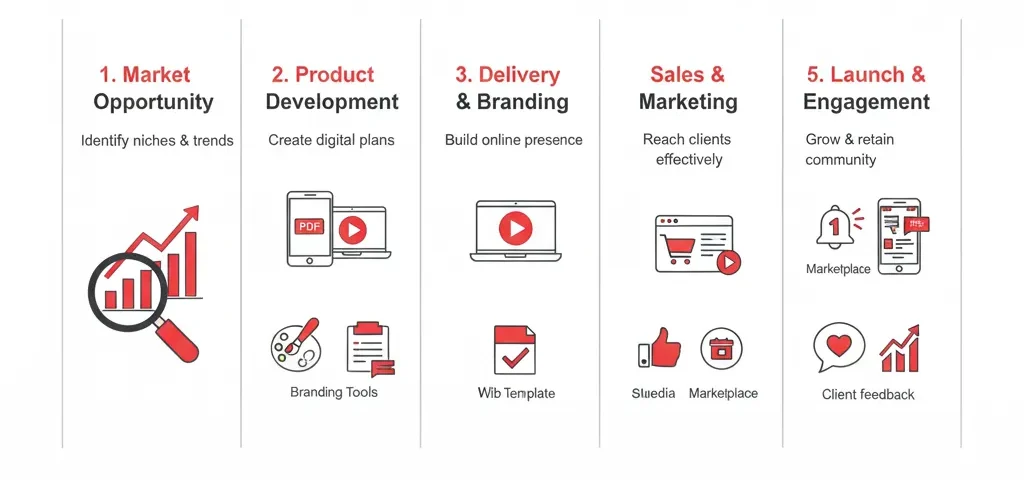
By combining your expertise with smart digital strategy, you can successfully start selling workout plans online. However, your success depends on three main pillars.
First, you need to find a specific niche that solves real problems. Then, you should use automated platforms to deliver content and manage updates. By sharing valuable, educational content consistently, you can build trust and authority.
This approach allows you to take control of your time and income. By automating most of the sales and administrative tasks, you can free your business from the limits of in-person training. Moreover, focus on helping clients achieve real results, and the benefits, global reach, low operating costs, and a flexible revenue stream, will follow naturally.
Now is the perfect time to create a scalable, resilient online fitness business built for long-term success.